

On the afternoon of August 26, 2026, a networking session between DKNEC and a delegation from Waseda University (Japan) - facilitated by CONCETTI - successfully concluded, offering profound practical insights for both the visiting students and the CONCETTI team.
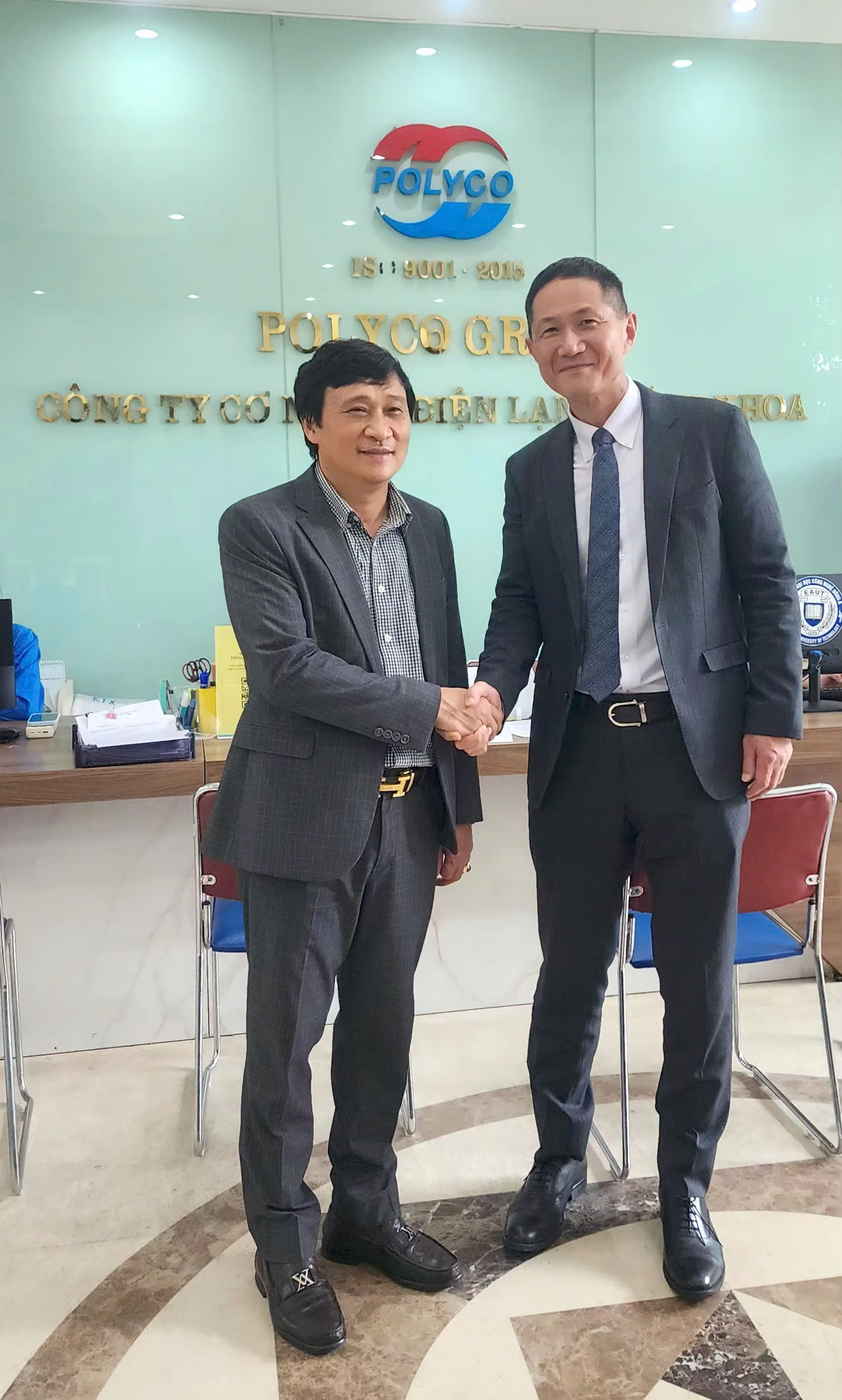
The event illustrated how a legacy enterprise adapts to the digital era. DKNEC has been deeply rooted in automation and technology transfer since these concepts were still in their infancy in Vietnam. As a result, the discussions shared among the 14 students, Professor Yasuyuki Todo, and DKNEC's Chairman of the Board, Mr. Dinh Van Hien, were heavily driven by real-world, battlefield experience.
As an industry pioneer, Chairman Hien understands the practical challenges inside out. He directly addressed the students' inquiries, covering everything from technological approaches and the hurdles of tech transfer to the strategic reasoning behind POLYCO operating its own university—the East Asia University of Technology (EAUT).
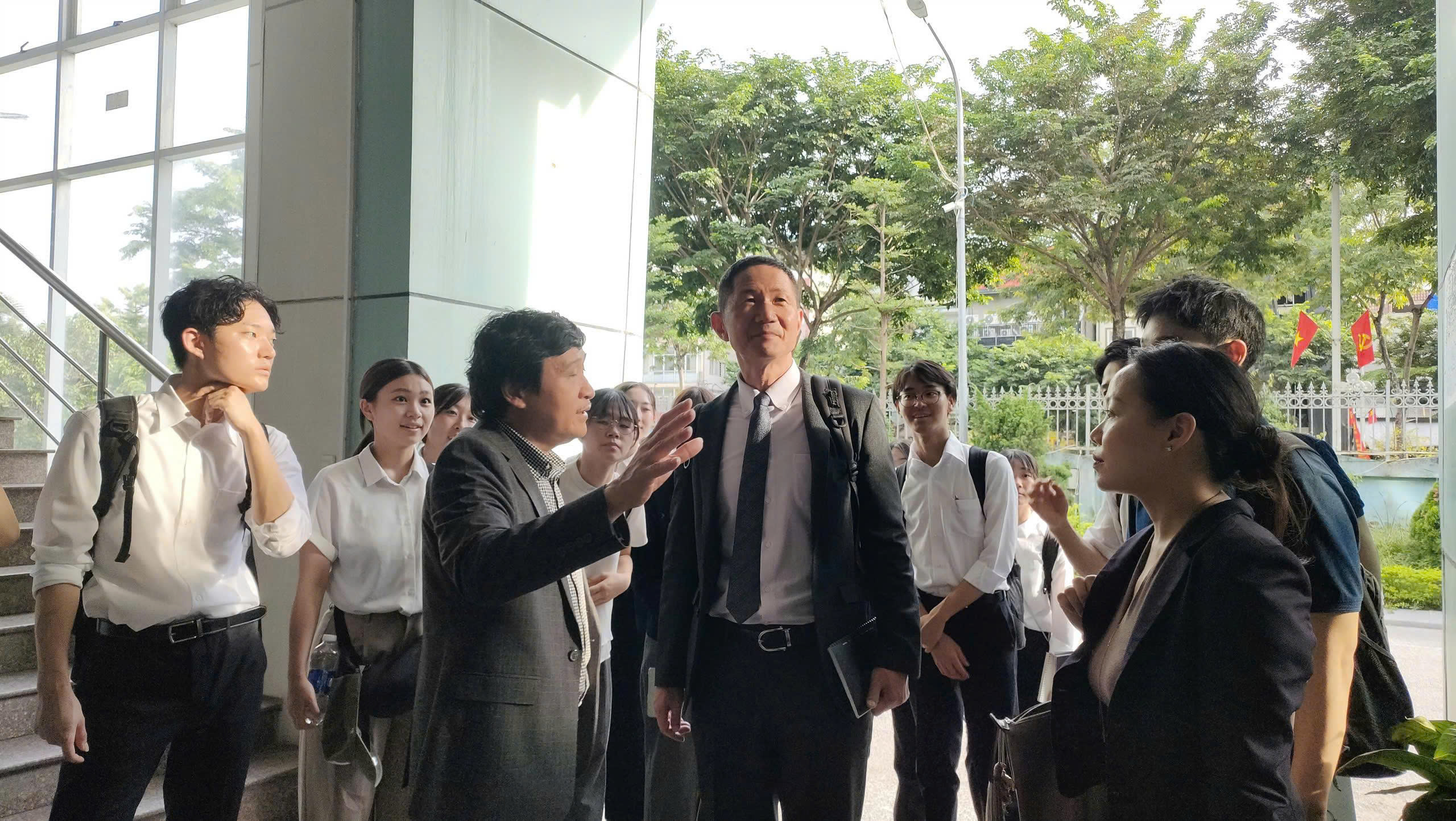
He explained that this ecosystem operates with a very clear division of roles: when acquiring and transferring new technologies, DKNEC handles the automation side, while POLYCO takes charge of mechanical manufacturing. This synergy allows them to serve multiple industrial sectors simultaneously. Notably, rather than dismantling the old system to build anew, they opted for a gradual digitalization of processes that have been in place for 30 years to optimize both costs and operational efficiency.
A fascinating detail that particularly captured the Waseda delegation's attention was how EAUT integrates students directly into factory workflows while they are still in school. Through this "learn and work, work and learn" model, the enterprise does not just train a highly skilled workforce; it organically cultivates a natural client network. When these students graduate and join other manufacturing plants, they become the very bridges that introduce and advocate for the enterprise's capabilities to their new employers. Consequently, a new commercial pipeline is opened up in the most natural way possible.
Delving deeper into the launchpad for technological advancement, Chairman Hien revealed that historically, the company has never relied on policy-backed funding for new technology; instead, they have operated entirely on self-funded capital.
Adding to this narrative, Mr. Han Tuong Minh, CEO of CONCETTI, provided a highly practical perspective. He pointed out that the legal framework for emerging technologies had only been updated nearly three months prior, following a 12-year period of virtual stagnation. This explains why the majority of businesses, even long-standing entities like DKNEC, have had to navigate the waters using internal funds rather than waiting for external support. With new support policies slated for implementation only from 2025 onwards, large enterprises are compelled to proactively map out their own long-term survival and growth strategies.
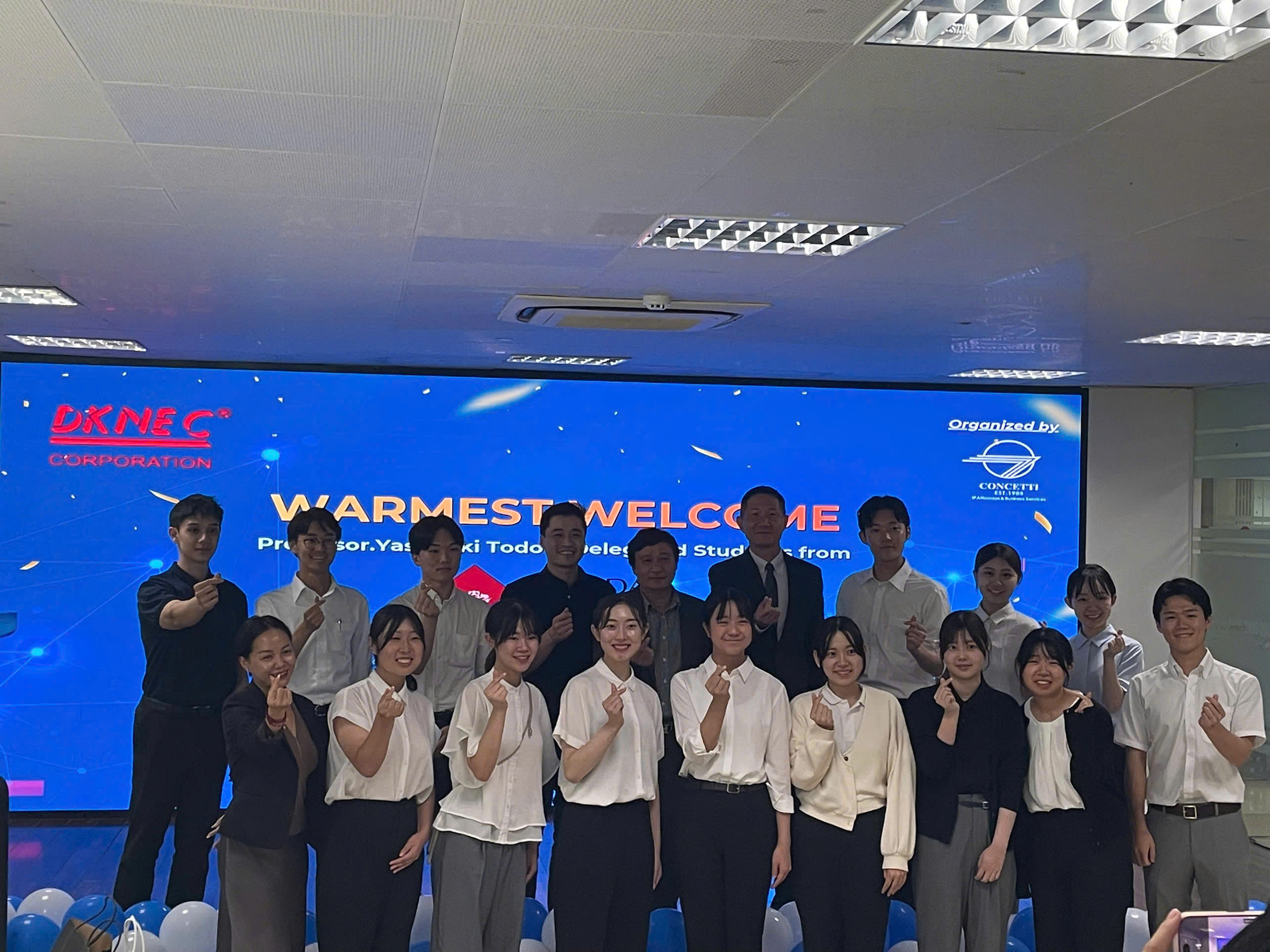
Looking back at the visit, the most profound impression came not just from the sheer scale of the Polyco - DKNEC - EAUT ecosystem, but also from the proactive engagement of the Waseda students. They consistently asked probing questions, digging deep to truly grasp the operational logic behind such a massive corporate system.
Anh Quân
Photo: Vân Anh